


How Do Inspectors Test For Mold in Miami?
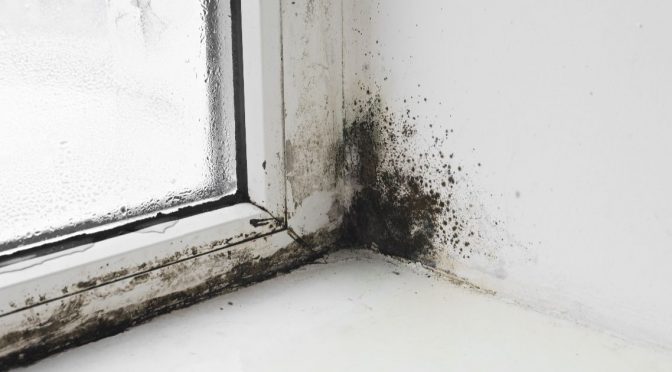
Inspectors test for mold by checking moisture, looking for signs of growth, and collecting air or surface samples when needed.
Mold testing in Miami is important because heat, rain, leaks, and high humidity can cause mold to grow quickly in a home.
A mold inspection does not start with a lab test. It starts with a careful look at the home. The inspector looks for the reason mold may be growing.
Then the inspector may take samples to help confirm what is in the air or on a surface.
Quick Summary
- Inspectors test for mold by checking moisture, air quality, surfaces, and problem areas.
- Miami homes are more likely to have mold because of heat, storms, leaks, and humidity.
- A mold test may include air samples, surface samples, moisture readings, and infrared camera checks.
- Mold testing helps find hidden issues, but it should also look for the source of moisture.
- A good mold report should explain what was found and what steps may be needed next.
How Inspectors Start a Mold Inspection
A mold inspection starts with questions and a visual check. The inspector may ask about leaks, past flooding, roof repairs, AC issues, odors, or health concerns.
The goal is simple. Find where moisture may be coming from.
The inspector may check:
- Bathrooms
- Kitchens
- Laundry rooms
- AC closets
- Attics
- Garages
- Baseboards
- Windows
- Ceilings
- Walls near plumbing
- Areas with past roof leaks
- Rooms with musty smells
A visual inspection helps guide the testing process. If the inspector sees stains, swollen drywall, peeling paint, or warped floors, those areas may need closer review.
The inspector does not just look for mold. The inspector looks for why mold may be there.
Moisture Testing: The First Key Step
Moisture testing helps inspectors find wet or damp areas. This is one of the most important steps in a mold inspection.
Mold can grow when building materials stay damp. Drywall, wood, carpet, and insulation can all hold moisture.
Inspectors use a moisture meter to check walls, floors, ceilings, and other surfaces. A moisture meter can help show if an area has higher moisture than expected.
Moisture testing helps find hidden water problems.
For example, a wall may look normal on the outside. But a moisture meter may show the wall is damp on the inside. That can point to a plumbing leak, a roof leak, a window leak, or an AC drain issue.
Inspectors pay close attention to moisture because humidity can hide problems. A home can feel cool from the AC but still have damp areas behind walls or near vents.
Air Sampling for Mold
Air sampling is one of the most common ways inspectors test for mold. It checks mold spores in the air.
During an air test, the inspector uses a pump to pull air through a small sample cassette. The sample is then sent to a lab. The lab checks the type and amount of mold spores found in the air.
Air sampling can help compare indoor air to outdoor air.
This matters because mold spores exist outside. The goal is not to find zero mold spores. The goal is to see if indoor levels look unusual compared to outdoor levels.
An inspector may take air samples from:
- A room with a musty smell
- A room with visible staining
- A bedroom with allergy concerns
- A living area near water damage
- Near an AC system
- Outside the home for comparison
Air testing can help show if mold spores are higher inside than expected. It can also help show if certain mold types are present indoors.
Surface Sampling for Mold
Surface sampling checks a specific area where mold may be present. This can be done when the inspector sees spots, staining, or growth on a surface.
Surface testing checks what is growing on a material.
The inspector may use:
- Tape lift samples
- Swab samples
- Bulk samples, in some cases
A tape lift sample uses clear tape to collect material from a surface. A swab sample uses a small sterile swab to collect material from a spot. The sample then goes to a lab for review.
Surface sampling may be used on:
- Walls
- Baseboards
- Cabinets
- Ceiling stains
- AC vents
- Window areas
- Furniture near water damage
Surface testing is useful when there is visible growth. It can help confirm if the growth is mold and what type of mold may be present.
Infrared Camera Checks
Some inspectors use an infrared camera during a mold inspection. This tool does not see mold. It helps show temperature changes that may point to moisture.
An infrared camera can help find possible hidden wet areas.
For example, a cooler area on the ceiling may point to moisture from a roof leak. A cold pattern near a wall may suggest an AC leak or plumbing issue.
The inspector may use the camera to scan walls, ceilings, and floors. If the camera shows a concern, the inspector may confirm it with a moisture meter.
This tool is helpful in homes because water damage can hide behind finished walls. It can also help inspect areas after storms or heavy rain.
Checking the AC System and Humidity
The AC system plays a big role in mold prevention. The AC does more than cool the home. It also helps remove moisture from the air.
A poor AC system can raise indoor humidity and support mold growth.
Inspectors may check areas around:
- Air handler closet
- Supply vents
- Return vents
- Drain pan
- Condensate line
- Duct openings
- Filters
- Signs of moisture near the unit
If the home has high indoor humidity, mold can grow faster. This is common when an AC unit is oversized, not running enough, leaking, or not draining well.
A mold inspection can include humidity readings. These readings help show if the home has moisture problems.
Where Inspectors Look for Hidden Mold
Hidden mold is one of the main reasons people call for a mold inspection. You may smell mold before you see it.
Inspectors look for hidden mold in areas where moisture collects.
Common hidden mold areas include:
- Behind bathroom walls
- Under sinks
- Behind kitchen cabinets
- Under laminate flooring
- Behind baseboards
- Inside closets near exterior walls
- Around window frames
- Near the roof leak stains
- Around the AC closets
- In attics with poor ventilation
A musty smell can be a strong clue. If a room smells damp, the inspector may check nearby walls, floors, and vents.
What Happens After Samples Are Collected?
After samples are collected, they are sent to a lab. The lab reviews the samples and identifies the types and levels of mold.
The lab report may show mold spore counts and mold types.
The inspector then uses the lab results, moisture readings, photos, and visual findings to explain the home’s condition.
A good mold report may include:
- Areas inspected
- Moisture readings
- Photos of concerns
- Sample locations
- Lab results
- Types of mold found
- Notes on possible moisture sources
- Suggested next steps
The report should be easy to understand. It should help you know what was found and what may need repair, cleaning, or further testing.
When Should You Get Mold Testing in Miami?
You should get mold testing when you see signs of mold, smell musty odors, or suspect past water damage.
Homeowners and buyers should consider mold testing when:
- A home has had roof leaks
- The property had flood damage
- You see stains on walls or ceilings
- You smell a musty odor
- The AC system has moisture issues
- There is visible growth
- You are buying an older home
- A room feels damp
- Someone has allergy-like symptoms inside the home
- You want peace of mind before closing
A mold test can help you avoid guessing. It gives you clearer facts before you make a repair or buying decision.
A Clear Mold Test Helps You Take the Next Step
Mold testing helps you understand what is happening inside the property. It checks the air, surfaces, moisture, and problem areas that can support mold growth.
The best mold inspection does not just ask, “Is mold present?” It asks, “Why is mold here, and what needs to happen next?”
That answer can help you protect your home, your money, and your peace of mind.