


What is a Pool Inspection in Miami?
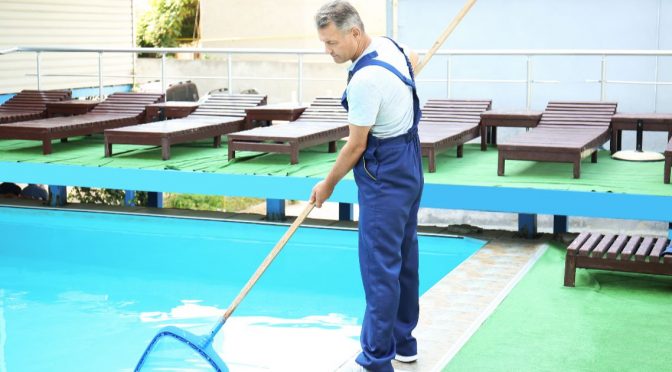
A pool inspection checks the pool, equipment, safety items, and visible damage before you buy or manage a home.
A Pool Inspection in Miami helps you spot repair needs before they turn into costly problems.
Pools face sun, heat, storms, heavy rain, and year-round use. That means small pool issues can grow fast if no one checks them.
Quick Summary
- A pool inspection checks the pool shell, deck, equipment, plumbing, lights, safety features, and visible damage.
- It helps home buyers understand the pool’s actual condition.
- Miami pools need extra care due to heat, rain, storms, and high humidity.
- A pool inspection is not the same as regular pool cleaning.
- The report can help you request repairs, plan your budget, or make a better buying decision.
What Does a Pool Inspection Check?
A pool inspection checks the visible parts of the pool and the systems that help it run. The goal is simple. We want to know whether the pool is safe, working properly, and showing any signs of damage.
A standard pool inspection may include:
- Pool surface
- Pool tiles
- Coping
- Pool deck
- Pump
- Filter
- Heater, if present
- Pool lights
- Visible plumbing
- Skimmer
- Drains
- Valves
- Pool cage or screen enclosure, if present
- Safety barriers
- GFCI protection near pool equipment
- Signs of leaks or poor water flow
Our inspectors look for damage, wear, safety risks, and signs that the pool needs service. Some issues are easy to see. Others are small clues that point to a larger problem.
For example, cracks near the pool deck may be normal aging. But some cracks may show soil movement, poor drainage, or pressure from tree roots.
Importance of a Pool Inspection in Miami
The heat can wear down surfaces. Heavy rain can affect water levels and drainage. Storms can damage screens, pool equipment, and electrical parts.
A pool inspection helps buyers find problems before closing. It gives you a clear view of the pool’s condition, repair needs, and possible safety concerns.
Many homes in Miami have pools. Some look clean and ready to use. But clear water does not always mean the pool is in good shape.
A pool can look nice and still have weak equipment, poor circulation, cracked surfaces, unsafe wiring, or signs of a leak.
That is why a pool inspection is helpful during the home-buying process. It can show you what needs repair now and what may need attention soon.
Pool Inspection vs. Pool Cleaning
A pool inspection is not the same as pool cleaning.
A pool cleaner keeps the water clear and maintains chemical balance.
A pool inspector checks the pool’s condition and looks for visible defects.
Pool cleaning is routine care. Pool inspection is a condition check.
This is important because many buyers think a clean pool means everything is fine. That is not always true. A pool may have clear water but still have:
- A weak pump
- A cracked skimmer
- Damaged tile
- Poor water flow
- Unsafe electrical parts
- Worn pool finish
- Missing safety features
- Broken lights
- Signs of leaks
Pool cleaners may notice problems during service, but their job is not the same as a home inspection. A pool inspection provides a clear report that can help with a real estate deal.
What Pool Equipment Should Be Inspected?
The pool equipment inspection may include:
- Pump condition
- Pump operation
- Filter type and condition
- Heater condition, if installed
- Valves and visible pipes
- Timer or control system
- Salt system, if present
- Chlorinator, if present
- Visible leaks around equipment
- Electrical disconnects and safety items
The pool equipment keeps the pool clean, safe, and usable. Bad equipment can lead to higher repair bills after closing.
Does a Pool Inspection Check for Leaks?
A basic pool inspection may look for signs of leaks but may not include a full leak-detection test. Leak detection is a more focused service that may use special tools.
A pool inspection can find signs that suggest a leak may exist.
These signs may include:
- Water stains near the equipment
- Wet areas near pipes
- Air bubbles in return lines
- Cracks in the pool shell
- Low water level
- Loose fittings
- Soil washout near the pool
- Pump losing prime
If the inspector sees signs of a possible leak, they may suggest a pool leak detection company. This helps protect you from guessing.
What Should Be in a Pool Inspection Report?
A pool inspection report should be clear, simple, and easy to understand. It should explain what was checked and what issues were found.
A good report may include:
- Photos of pool areas
- Notes on visible damage
- Notes on pool equipment
- Safety concerns
- Repair recommendations
- Items that need further review
- General condition of the pool
- Major defects found during the inspection
The report should help you take action. It should not leave you confused.
What a Pool Inspection May Not Include
A pool inspection has limits. It is usually a visual inspection. That means the inspector checks what can be seen and tested safely.
A standard pool inspection may not include:
- Full leak detection
- Underground plumbing inspection
- Pool chemical testing
- Taking apart equipment
- Structural engineering review
- Pressure testing pipes
- Repair cost quotes
- Warranty on future pool performance
If the inspector identifies a serious issue, they may recommend a pool contractor, leak detection company, electrician, or other expert.
When Should You Schedule a Pool Inspection?
You should schedule a pool inspection during the home inspection period. This gives you time to review the findings before your contract deadlines.
The best time to inspect a pool is before you buy the home.
Do not wait until the last day. Pool issues can affect your budget and your choice to move forward. A fast report can help you make a calm decision.
You should also consider a pool inspection if:
- You are selling a home with a pool
- You have not used the pool in a long time
- You see cracks or water loss
- Your pool equipment is loud or leaking
- You bought a home and skipped the pool inspection
- You want to plan repairs before hurricane season
Make a Smarter Pool Decision
A pool inspection helps you see the pool’s true condition before you face unexpected repair costs.
If you are buying a home with a pool, do not rely only on clear water and nice photos. Get the pool checked. Review the report.
Ask questions. Use the information to protect your money and your peace of mind.