


Seawall Inspections for Waterfront Properties in Miami
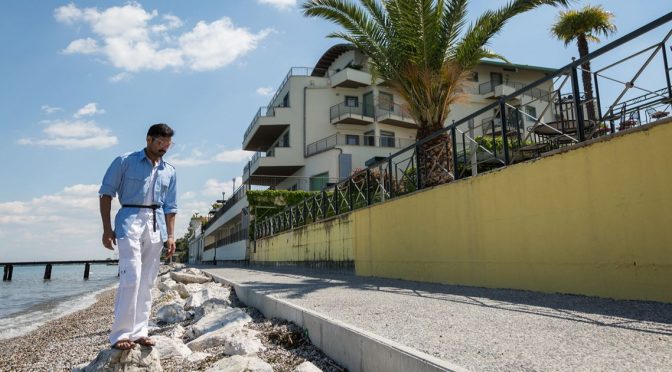
A seawall inspection in Miami tells you whether the wall between your yard and the water still holds back soil and tide.
Most owners notice their seawall only when something goes wrong, like a sinkhole in the lawn or salt water over the cap at king tide.
By then, repairs cost more. Height rules also vary by city, so a wall that meets code in one place can fall short a few miles away.
What Does a Seawall Inspection Cover in Miami?
A seawall inspection in Miami checks the whole system that holds your yard in place. The goal is to catch damage before soil and tide start moving.
A seawall inspection starts with the parts you can see:
- The cap. The concrete beam on top that ties the panels together. Damage shows up here first.
- Panels and joints. Gaps between panels let soil wash out with every tide.
- Weep holes. They drain water from behind the wall. Clogged ones build pressure.
- The yard and deck behind the wall. Dips, cracks, and soft spots point to soil loss.
- Attached structures. Docks, boat lifts, and davits add load to the wall.
The wall base sits underwater. It may need a low tide visit or a diver. You can’t see the anchors buried in the yard without digging.
Warning Signs Your Seawall Is Failing
Most seawalls fail slowly, then a storm or high tide finishes the job. Watch for:
- Rust stains or bulging concrete on the cap. Saltwater reaches the steel inside. The steel rusts, swells, and pops the concrete off.
- A wall leaning toward the water. This often means an anchor has let go or the base is washing out.
- Sinkholes, dips, or cracks behind the wall. The soil is leaving through a gap you can’t see.
- Water bubbling up in the yard at high tide. Tide is getting through or under the wall.
- Pavers, pool decks, or slabs settling near the water.
That last sign matters most. Soil loss near a seawall can spread under a slab. If you see settling close to the house, treat it as a sign of possible foundation problems, not a cosmetic issue.
How High Does a Seawall Need to Be in Miami-Dade?
It depends on which city your property sits in. Each city sets its own minimum, and unincorporated areas follow county flood criteria.
- Miami Beach: New seawalls must reach 5.7 feet NAVD88, or 4 feet if built to be raised to 5.7 feet later, according to the City of Miami Beach.
- City of Miami: 6 feet NAVD88.
- Unincorporated Miami-Dade: The county’s flood criteria maps include a minimum top-of-seawall elevation.
The Datum Trap in Older Surveys
Many older surveys list heights in a system called NGVD29. Today’s seawall rules use NAVD88.
Miami-Dade County records show that 5 feet NGVD29 equals about 3.45 feet NAVD88, a gap of roughly 1.5 feet.
So a wall listed at “5 feet” on a 1980s survey may sit closer to 3.5 feet under current rules. The same datum issue shows up in elevation certificate rules.
When an Existing Wall Has to Be Raised
An older, lower wall can usually stay until something forces an upgrade: a new wall, a major repair, or a citation for letting tide onto a neighbor’s lot or the street.
The penalties are real. In Miami Beach, owners of failing seawalls get up to 730 days to fix them. Fines run $250 a day for a first violation and $500 a day after that.
When Should You Get a Seawall Inspection?
Get one before you buy, before you list, and after any storm or king tide that tops the wall.
- Before buying. Repair costs can vary. That number belongs in your offer, not in your first year of ownership.
- Before listing. An early find beats a deal that falls apart.
- After storms. Even a slow hurricane year brings king tides and heavy rain that stress older walls.
- Before adding a dock or boat lift. New loads on a weak wall speed up failure.
- On a schedule.
Condo buyers should ask too, since one wall can serve hundreds of owners.
If you’re booking Sunny Isles Beach inspections for a unit, ask the board for the latest seawall report.
Higher tides are one reason sea level rise keeps changing what inspectors check.
What a Seawall Inspection Can’t Tell You
A seawall inspection is a condition report, not a guarantee.
- It can’t see buried anchors.
- It can’t confirm code height on its own. A licensed surveyor has to measure the cap elevation.
- It doesn’t replace a structural engineer. If the report finds leaning, major cracks, or soil loss, hire a Florida-licensed professional engineer before you close or start repairs. The City of Miami already requires engineer inspections of private seawalls under a maintenance plan.
- Repairs need permits. Work in tidal waters in Miami-Dade goes through county environmental review under Section 24-48 of the county code, and often state and federal review too.
Your Next Step Before Closing on a Waterfront Home
Ask the seller for the seawall permit history, the date of the last repair, and a recent survey showing cap height in NAVD88.
Compare that height to your city’s minimum.
If anything is missing or the wall shows the warning signs above, book a seawall inspection before your inspection period ends.