


Septic or Sewer? What Miami Buyers Should Check Before Closing
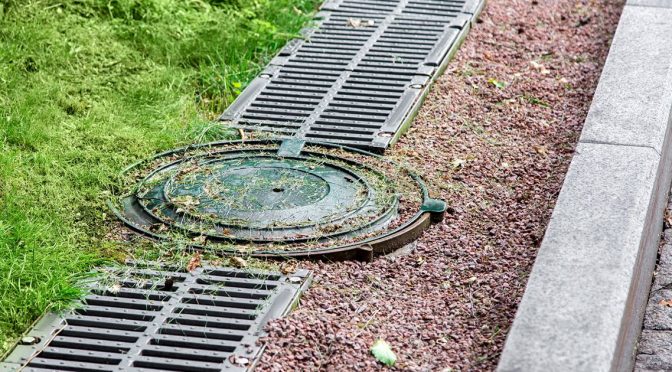
Septic or sewer is not a preference question in Miami-Dade County.
It is a timing question. County code can require you to connect to public sewer and abandon the septic tank within 90 days of being notified, at your expense.
That makes the wastewater setup one of the few inspection items that can hand a buyer a five-figure bill after closing.
How to Tell If a Miami Home Is on Septic or Sewer
Do not take the listing sheet’s word for it. Listings get this wrong often, and the seller may not know either, especially with an inherited or investor-owned property.
Five checks settle it:
- Ask for a recent utility bill. A Miami-Dade Water and Sewer Department bill with a sewer charge on it means the home is connected. A water bill with no sewer line item usually means septic.
- Walk the yard. Look for tank lids, a cleanout pipe, or a rectangular patch of grass that grows differently from the rest of the lawn. That patch is often the drainfield.
- Check the permit history for the address, including any pump-out and abandon permit. That permit is what proves a septic system was legally retired.
- Read the seller disclosure for wastewater and for any notice from the county.
- Ask whether the system is registered with the county’s Division of Environmental Resources Management.
Homes on septic often sit on well water too. If that applies, add water testing to the same inspection order, since a failing drainfield and a private well on the same lot is the combination you least want to guess about.
The 90 Day Rule That Catches Miami Buyers Off Guard
When public sewer becomes available at your property line, connection is not optional. Miami-Dade County states that under Section 24-43.1(7) of the county code, the owner must connect to the public sanitary sewer and abandon the septic system within 90 days of being notified. The county sends that notice directly to the property owner.
Whoever owns the home when the notice lands pays for the work. That bill has several parts:
- A sewer allocation letter from the county
- A plumbing permit from the county or your city
- Water and Sewer Department approval plus connection fees, calculated from the property’s usage
- A pump-out and abandon permit, then the physical abandonment of the tank
- [NEED: typical all-in cost range we see for a Miami-Dade septic to sewer conversion]
This is where buyers get surprised. A sewer main going in down the street looks like a neighborhood improvement. For a septic owner, it is a deadline.
Before you close, ask whether sewer service already runs in the right-of-way abutting the property, and whether the area falls inside a planned conversion project.
The county’s Connect 2 Protect program is expanding sewer service across the county over many years, and knowing your street’s status changes what the house is worth to you.
Why a Failed Drainfield Cannot Always Be Replaced
If the septic system fails and public sewer is available at the property, you connect. You do not get to install a replacement. Miami-Dade’s rules bar installing a new onsite system, or replacing an existing one in whole or in part, when an approved public sanitary sewer is available and operative in a right-of-way or easement abutting the property.
Two other limits matter for anyone planning to build:
- New and replacement systems now go through county environmental review before installation, a requirement the county applied to building applications starting January 1, 2023.
- Lot size caps what a septic property can support. The county sets a minimum lot size for a single-family residence on septic, which varies with the potable water source, and it ties allowable sewage flow to the size of the lot.
So if the plan is an addition, a guest suite, or a second unit, the septic system may be the thing that stops it.
A land survey tells you your real lot dimensions and setbacks, which is the starting point for that math.
What Rising Groundwater Does to a Miami-Dade Septic System
A drainfield only works when the soil under it stays unsaturated. Miami-Dade sits on porous limestone with a shallow water table, so the margin between a working drainfield and a soaked one is thin here in a way it is not in most of the country.
The county’s own numbers are direct about it. Miami-Dade reports roughly 120,000 septic systems in use, about 9,000 vulnerable to compromise or failure under current groundwater conditions, and roughly 13,500 vulnerable by 2040 as sea level rise pushes groundwater higher.
The county’s 2018 study also found that the large majority of the highest risk properties sit in unincorporated Miami-Dade.
Practical version for a buyer: a system that tests fine in March can back up in September. Ask when the last backup happened, not whether the system works.
Homes with a history of yard flooding deserve extra scrutiny, and the same low spots that trouble a drainfield show up in the flood risks in Miami that buyers already track.
Areas with older large lot housing, including parts of Pinecrest and the county’s unincorporated pockets, carry the most septic inventory.
What a Standard Home Inspection Does Not Cover
The septic system is not part of a general home inspection. Neither is the buried sewer line on a connected home.
Both are separate services, and both are among the standard inspection exclusions buyers assume are included.
For a home on septic, order a septic tank inspection. It covers the tank, its condition, sludge levels, and how the drainfield is handling flow.
For a home already on sewer, the risk moves to the lateral line running from the house to the main.
Older Miami homes have clay and cast iron laterals with root intrusion and offsets, which is what a camera-based sewer line inspection finds.
Those repairs run into real money, and the pattern of plumbing and sewer issues in this market is consistent enough to be worth checking on any home built before.
One honest limit: septic is not automatically a bad deal. On a large lot with no sewer nearby and a well-maintained system, it can serve a family for years.
What a septic inspection cannot do is predict groundwater in 2040 or tell you when the county will run a main down your street.
It reports the system’s condition on the day it is inspected. If a system fails an inspection or shows signs of surfacing effluent, treat that as a health matter and bring in a licensed septic contractor before you agree to anything at the closing table.
Basic care matters too, and the U.S. Environmental Protection Agency publishes plain guidance on septic system maintenance for owners.
Two Questions to Settle Before Your Inspection Period Ends
Ask two things and most of the risk becomes visible.
Is public sewer already available abutting this property, and has the owner received any notice about connecting?
Then find out when the tank was last pumped and whether the yard has ever backed up during the rainy season.
Get both answers in writing, then schedule the septic inspection while you still have the leverage to renegotiate.